
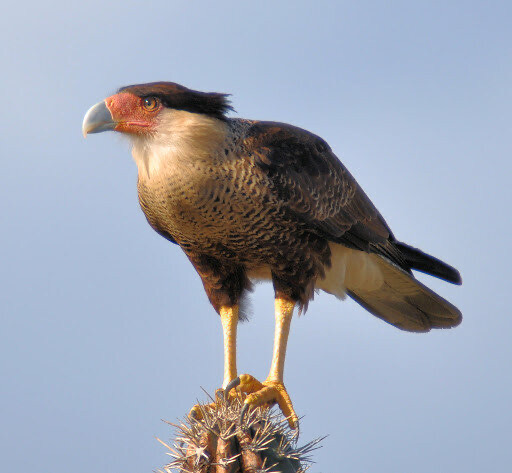
Wara Wara
Solitary scavenger falcons that hunt for their food on the ground. Found on other islands, it is only called Wara Wara in Curaçao, Aruba and Bonaire.
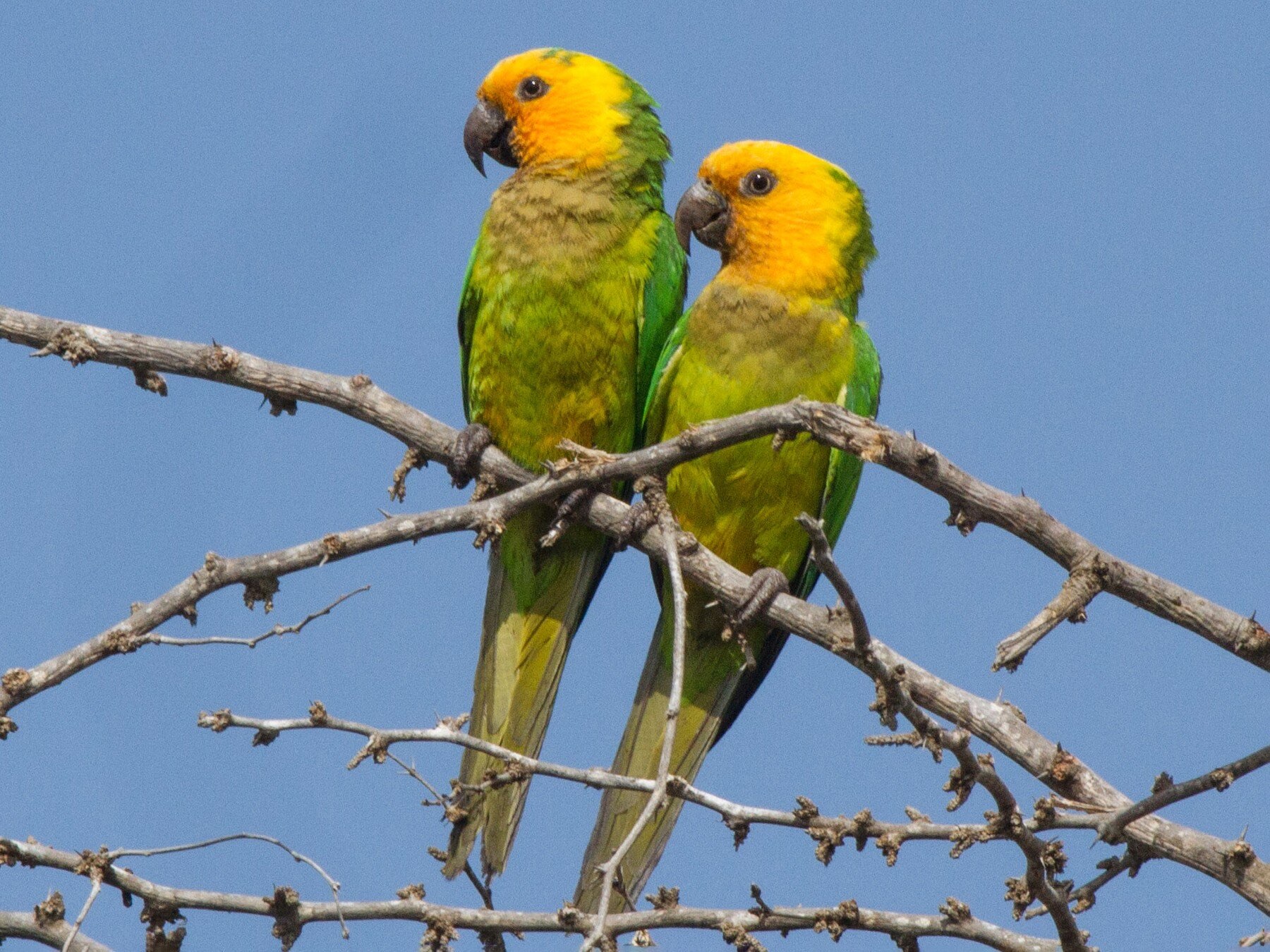
This desert scrub ecoregion is a haven for over two hundred bird species and other wildlife such as white-tailed deer.
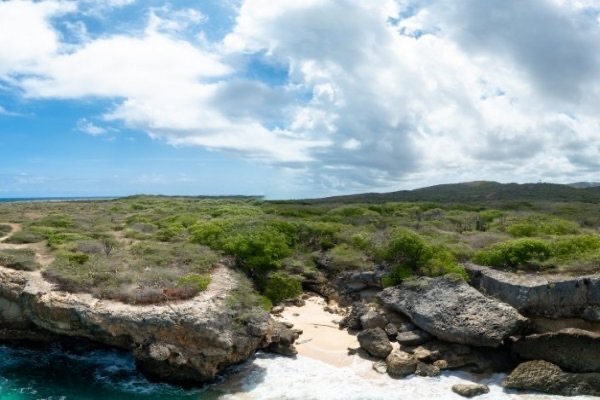
We are actively lobbying to make Watamula a protected nature preserve. For more information on Caribbean biodiversity contact The Caribbean Research and Management of Biodiversity (CARMABI) is a non-profit foundation on the island of Curaçao in the Dutch Caribbean. Carmabi was established in 1955 to oversee Marine and Terrestrial Research, Park Management, Nature and Environment Education and Consultancy.
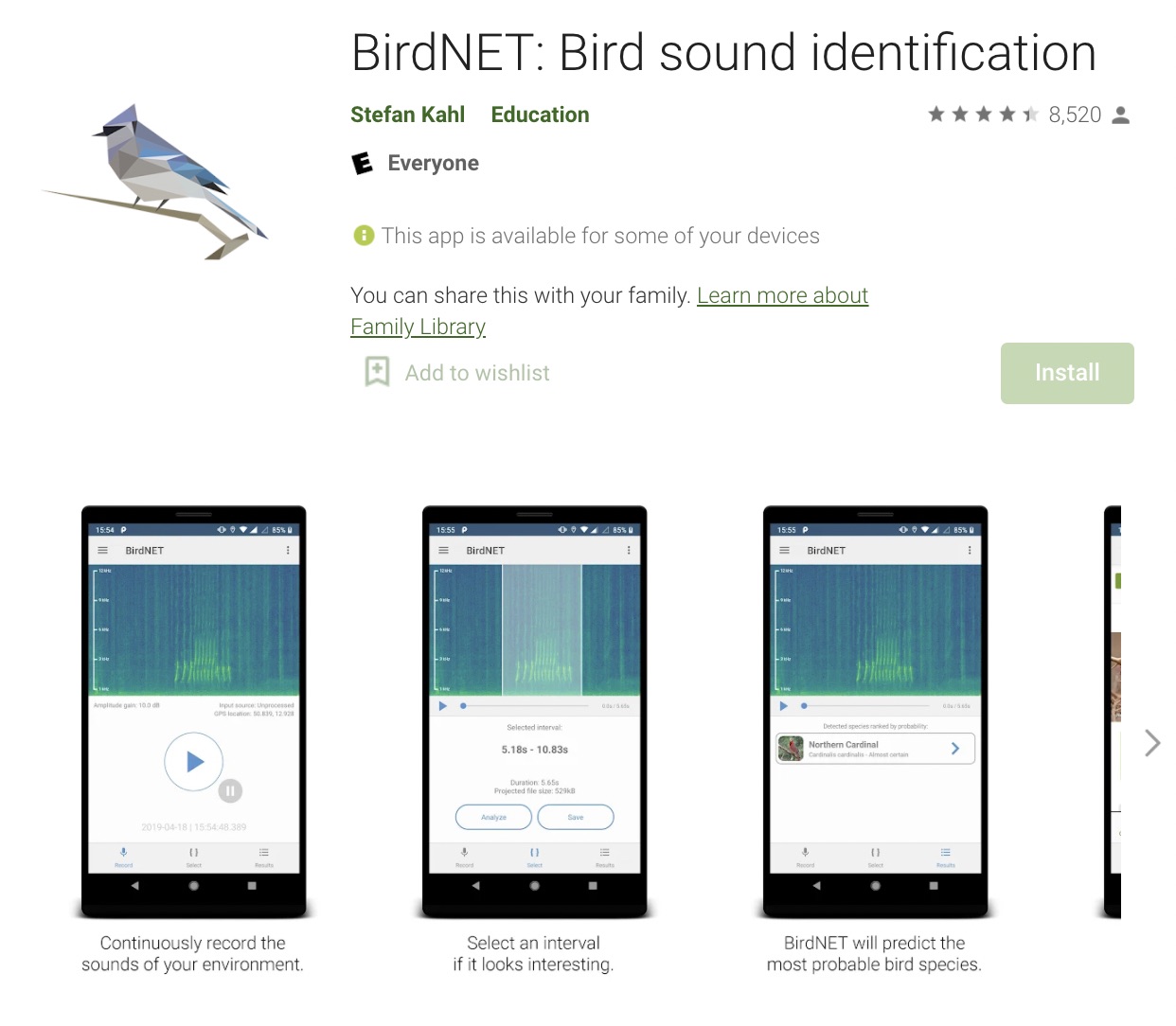
I highly recommend that you download BirdNet: Bird sound identification developed by The Cornell Lab of Ornithology and the Chemnitz University of Technology. With the app you can ID birds in Westpunt. What is wonderful is that the bird will respond to the calls if you play the recording loud enough.
You can search for bird by the call and by region. See birdnet.cornell.edu
Solitary scavenger falcons that hunt for their food on the ground. Found on other islands, it is only called Wara Wara in Curaçao, Aruba and Bonaire.
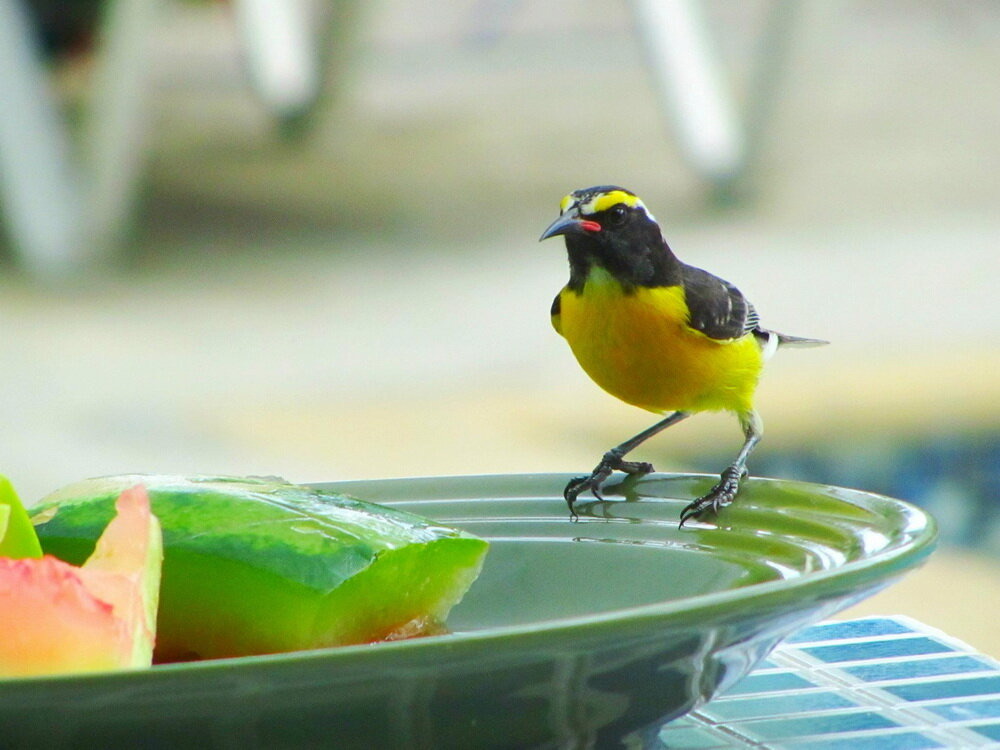
Trupial will be at your table stealing crumbs. Sometimes referred to as a dog trupial (trupial kachó) as its call is similar to the bark of a dog. Look out for its nests which look like hanging grass bags.
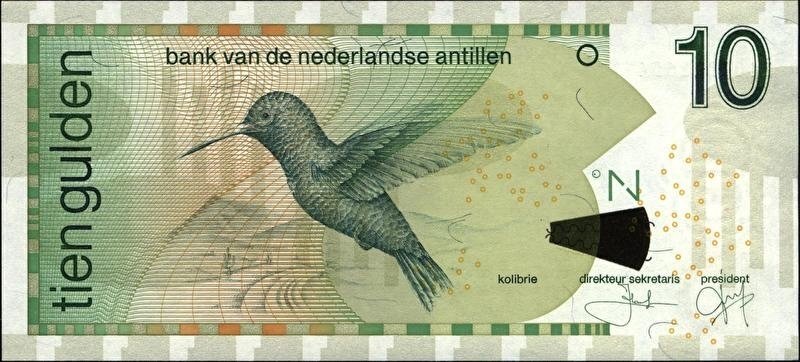
The Blenchi (Chlorostilbon mellisugus, blue-tailed emerald hummingbird) is a frequent visitor to the villa. This 8 cm (3 inches) long speedster is a beautiful and important pollinator on the peninsula. You can see it hovering around the red Torch Aloe around the pool.
Read more about Hummingbirds and more here.
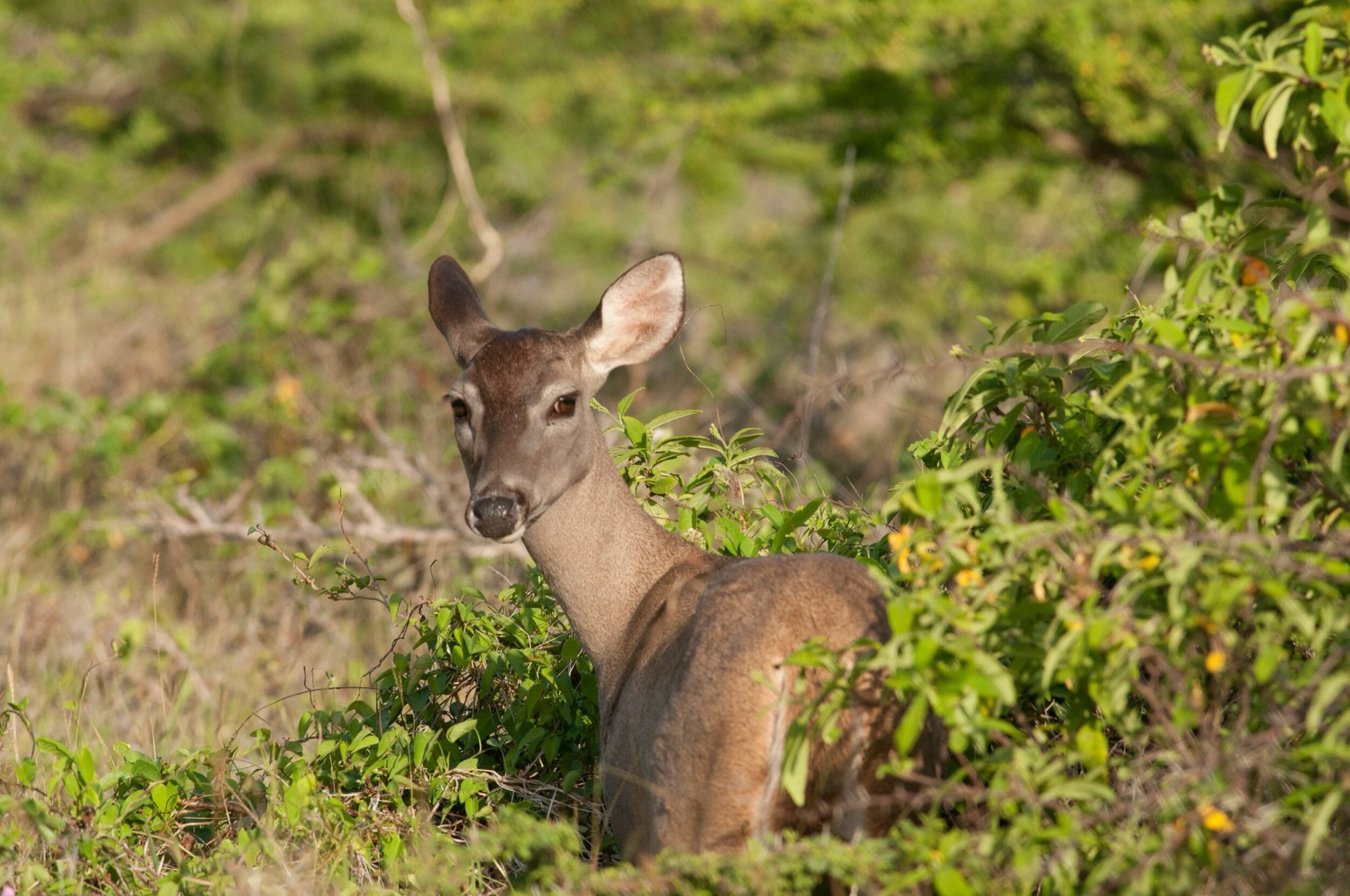
The white-tailed deer is drought-resistant and said to be a distant descendant of a deer line introduced to the island by aboriginals over 4,000 years ago.
We are proud to have many mothers and fawns come to the villa each day for the water we provide. Much of the water that whitetail deer need can be found in the food that they eat. Succulents can be between 50 and 90 percent water.
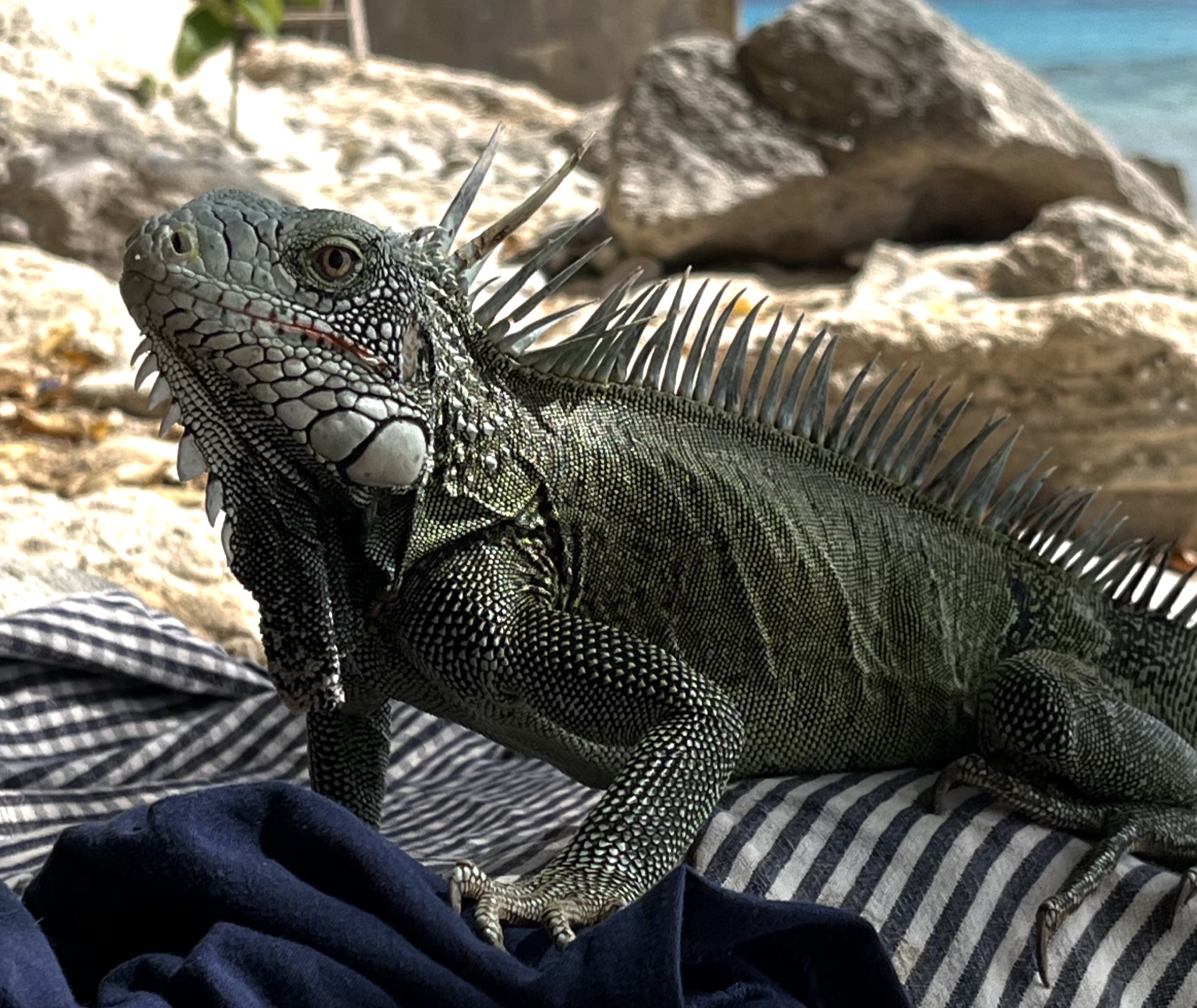
The perfect Villa animal: loves sun and hardly moves. It can live 15 or more years in the wild and can grow as long as six feet, nose to tail tip. Iguanas need UV light to make vitamin D in their skin, which then enables them to absorb calcium from their food.
Be careful of their tail - when it starts bobbing its head it may lash it out to protect itself. Lose it and it will simply grow back …
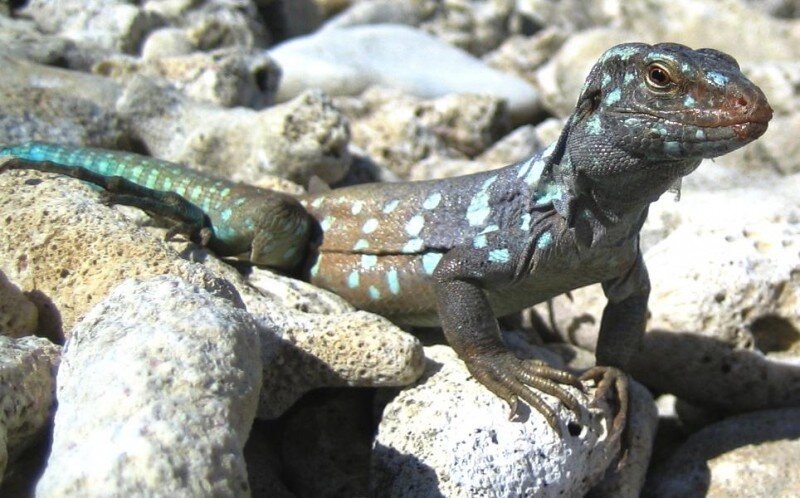
Native to Curaçao: thin brown ones (lagadishi) are the females and young, the larger blue green ones (blò-blò) are male. They reproduce by “parthenogenesis” meaning no sex life. Their eggs undergo a chromosome doubling, developing into lizards without being fertilized. However, there is some love: ovulation is enhanced by female-female courtship.
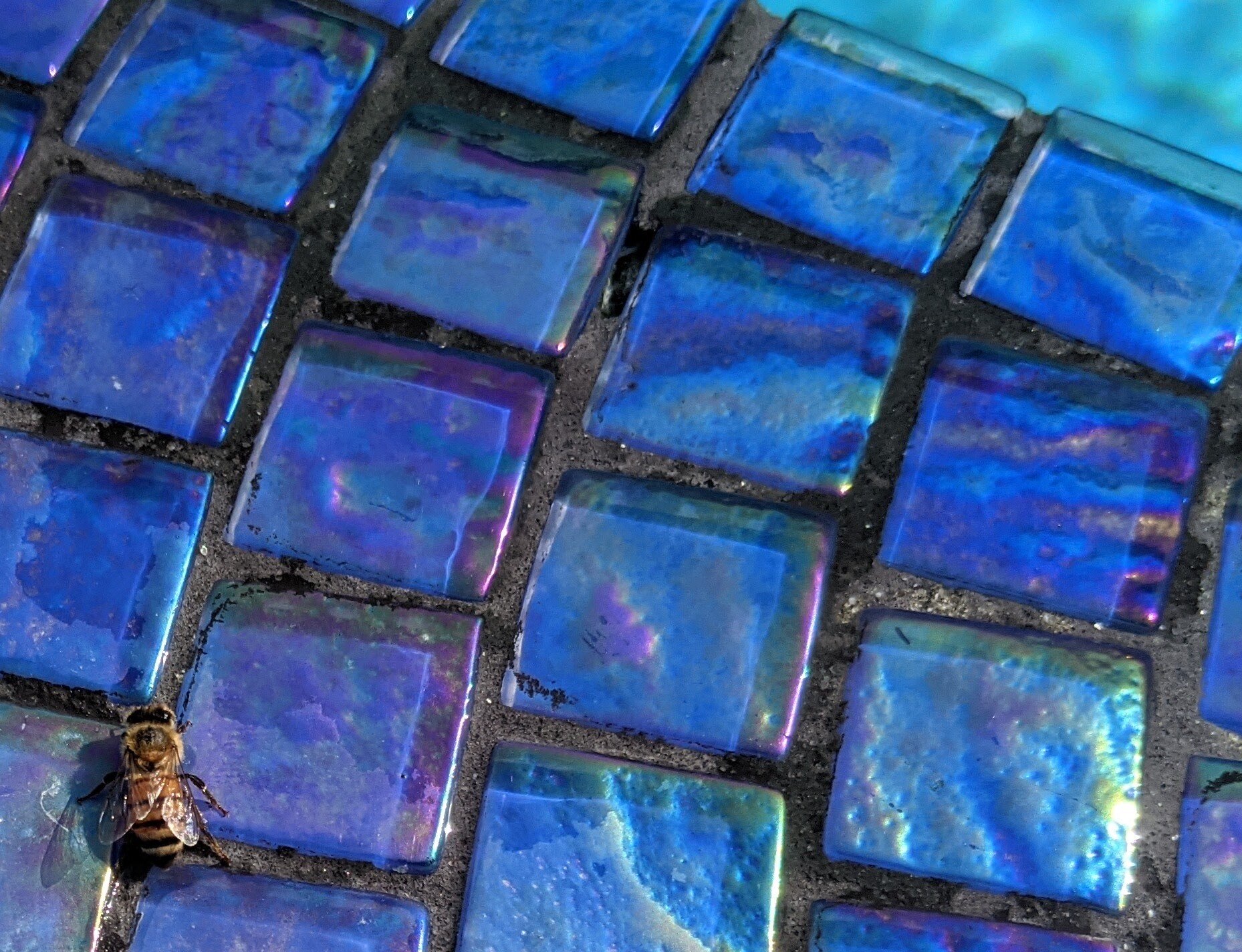
We have wild bees at the villa. You will see them drinking the sweet water around the pool. They nest under the cliff and play an important role in the Watamula ecosystem.
Read more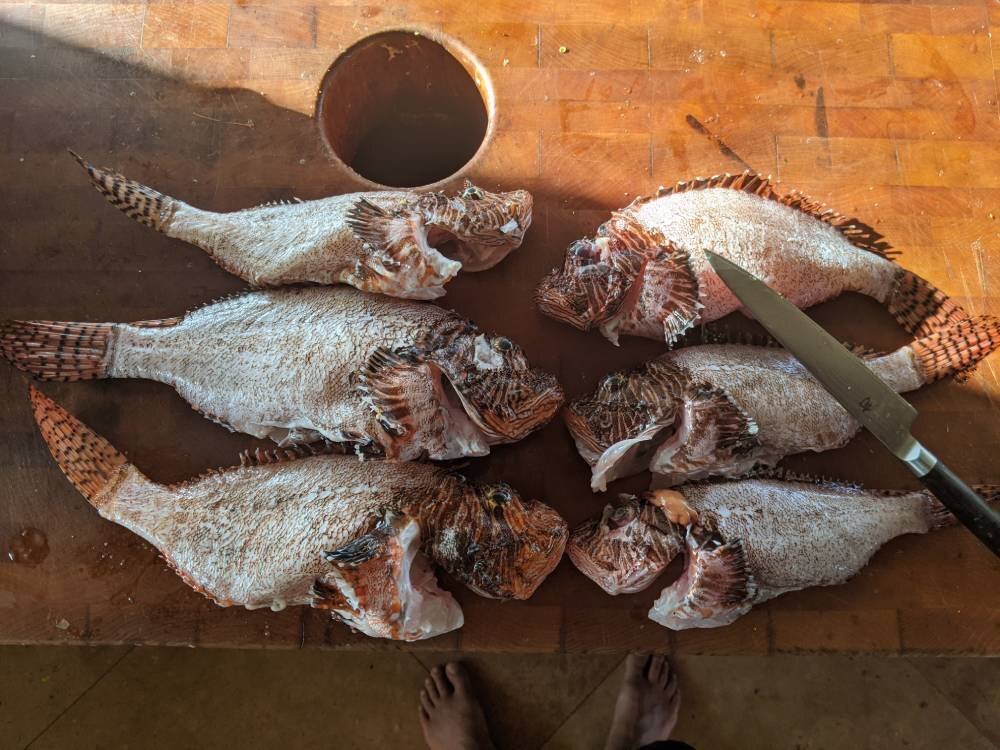
Lionfish are native to the Indo-Pacific, but are now flourishing in the Caribbean, and in parts of the Gulf of Mexico. Eat them - they are delicious and you will be doing the reef a favor as they are invasive and bad for the local sea-life.
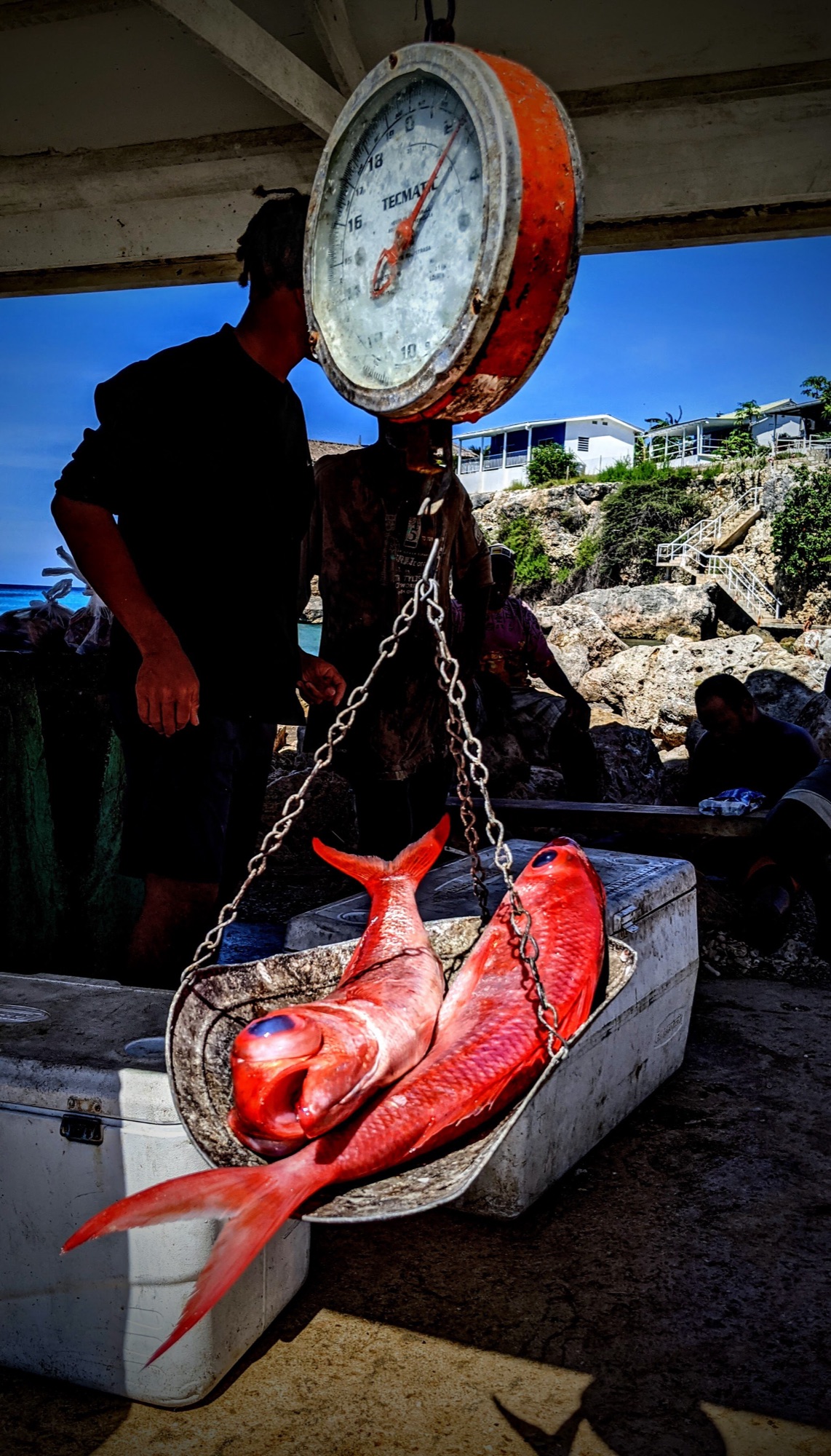
Walk ten minutes to Playa Piskadó to buy fish directly from the fishing boats. Red Snapper is delicious and this one is Queen Snapper - it is a deep water fish making its eyes large.
Also find Barracuda, Mahi Mahi, Blacktail Tuna, Yellowtail Tuna, Yellowtail Snapper, Wahoo, Sailfish, Amberjack, Bluejack, Black Grouper and many more.
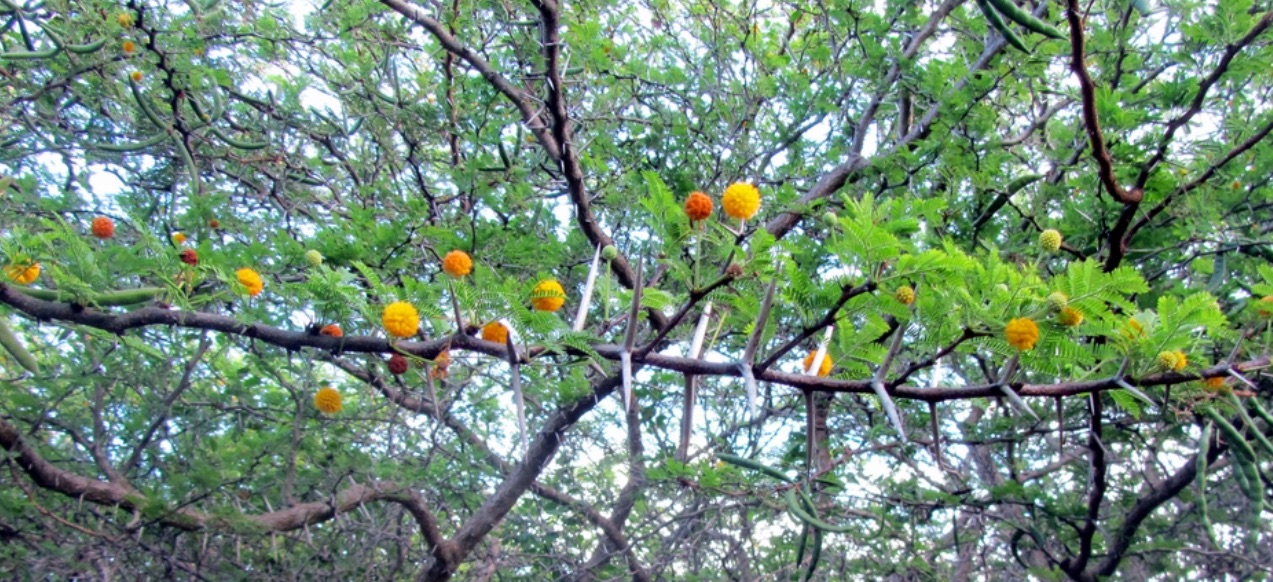
Wabi is a type of Acacia that covers the Watamula preserve. Fire is its friend helping it germinate and grow.
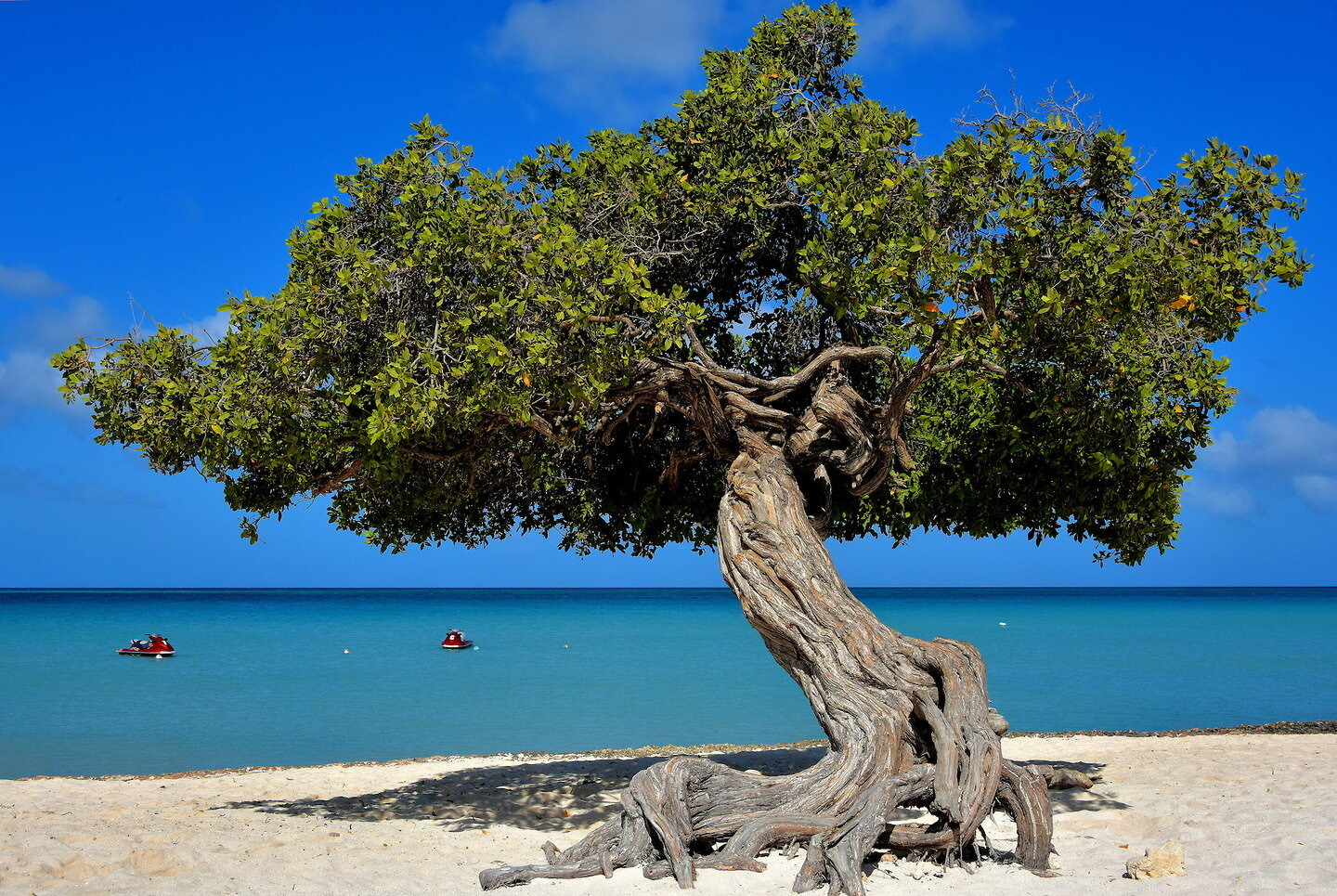
Divi Divi is the national tree of Curaçao. It always points southwest pushed by the trade winds that blow across the island from the north-east.
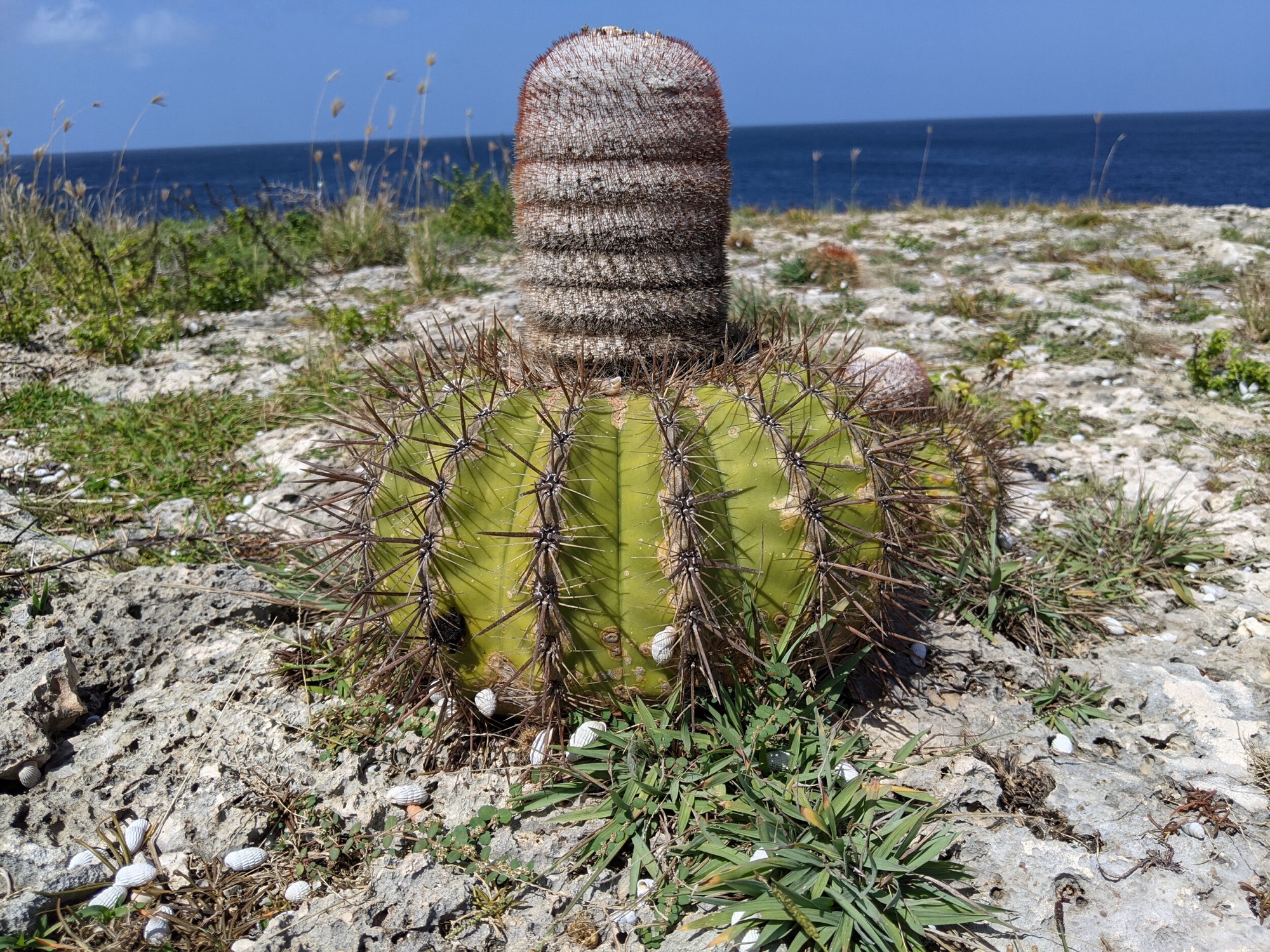
Cliff Villa Peninsula is a refuge for Milon di Seru which grows on the cliff using its long, extensive system of roots that it uses to collect water. Please, please do not try and pull them up as you will break their roots and they will die.

Six bedrooms · 140ft infinity pool · Watamula Nature Preserve · Curaçao