
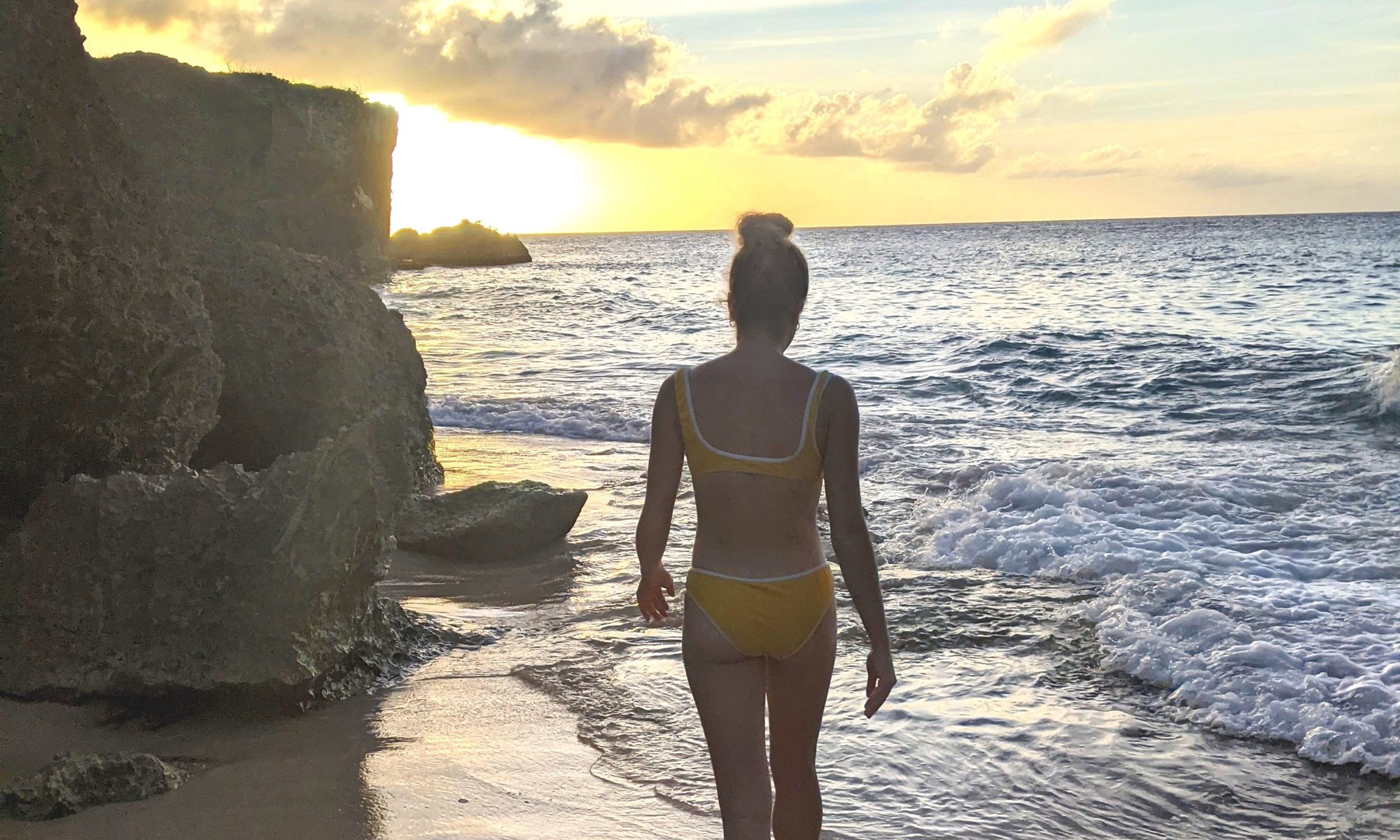
Playa Guepi
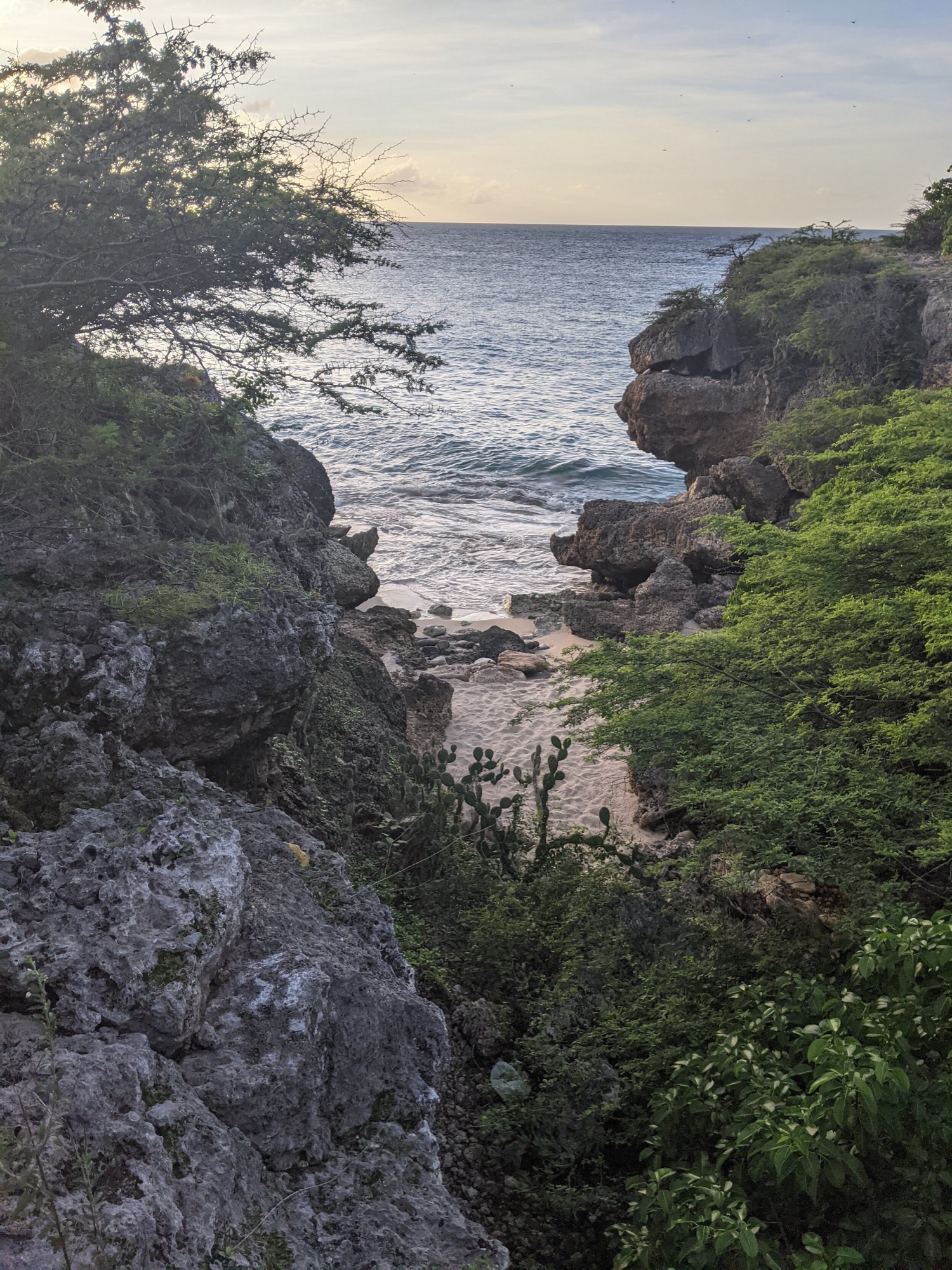
The beach is small and beautiful with crashing waves and protected white-sugar sand.
Playa
Guepi
At the Northwesterly point of the island is the hidden beach of Playa Guepi (Google Map Link)
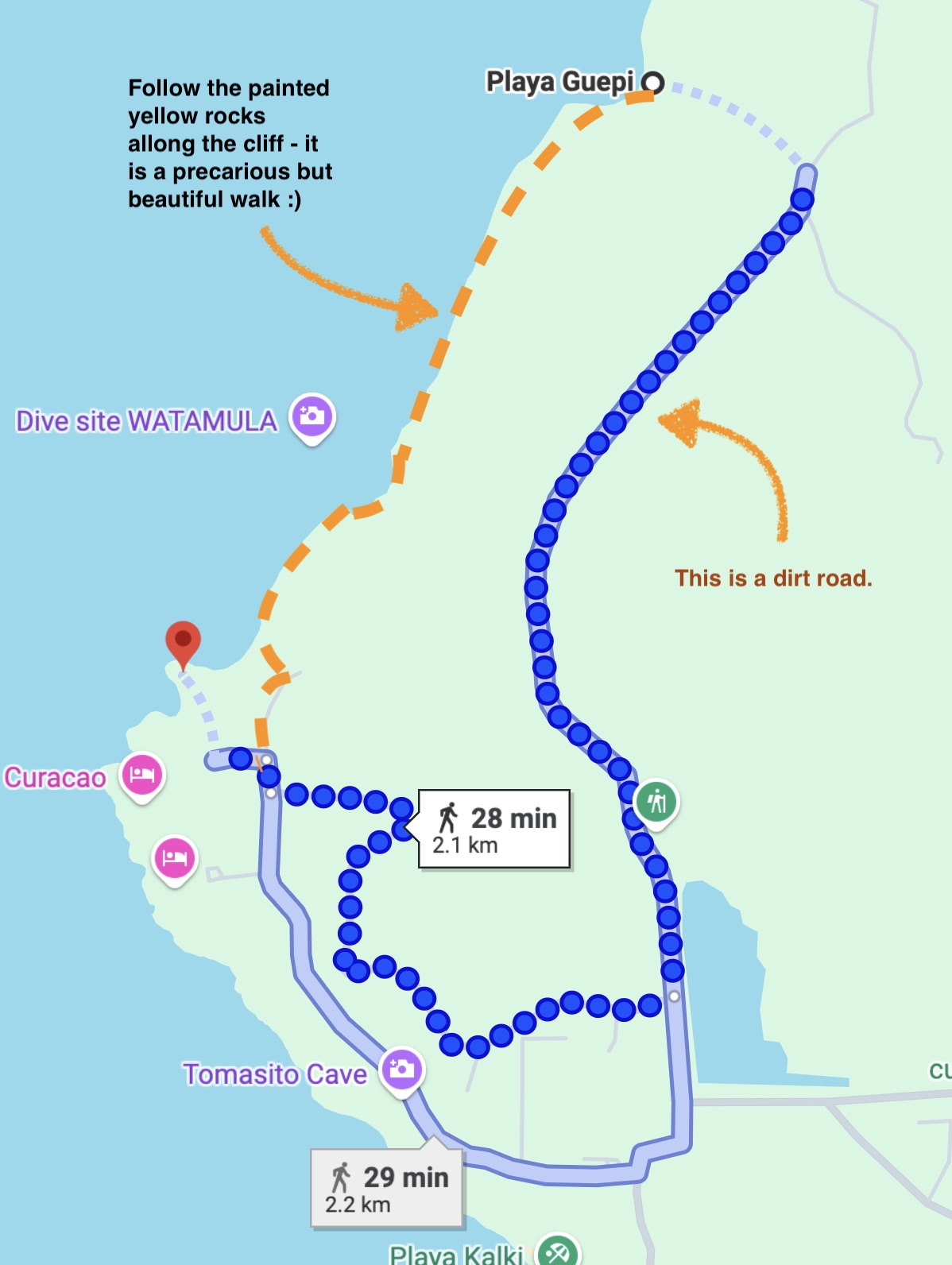
The beach is small and beautiful with crashing waves and protected white-sugar sand. Walk up the coast following the yellow painted stones from the Cliff Villa Peninsula and bring supplies for a few hours. It is Robinson Crusoe territory and will remind you of pirate tales and skullduggery. Imagine being 200 years back in time with full rigged pirate ships off the coast smuggling wears past the Dutch Brigade in Willemstad. Do not stay after dust otherwise you maybe wittiness for some modern skullduggery.
See drone video here.
Please treat this spirit beach with respect. Do not leave garbage and do not damage the lime stone rocks!
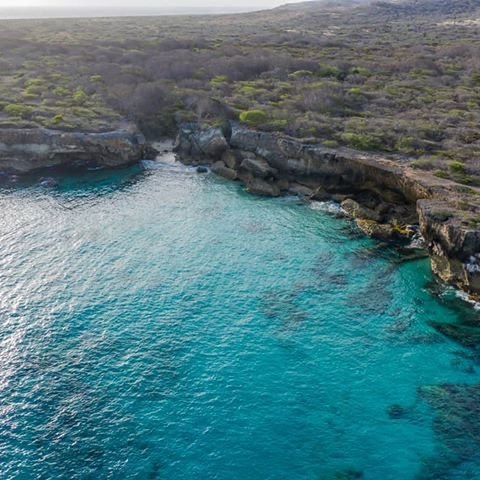
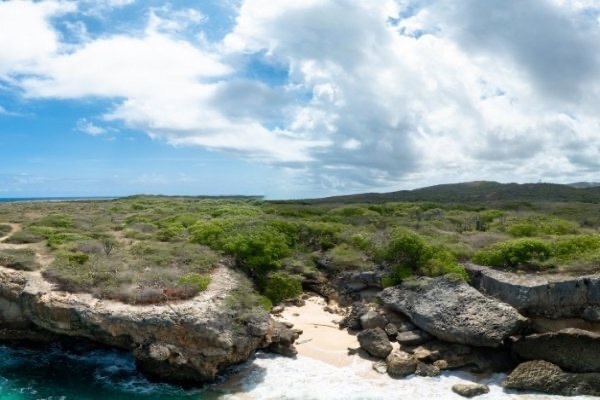
Follow the painted yellow rocks
Tales of
Skullduggery

For centuries, Curaçao’s rugged northern coastlines have been both a refuge and a trap for those seeking to exploit the Caribbean's hidden paths. Playa Guepi, near Watamula, is no exception. This secluded cove, almost forgotten by most, has played host to stories of daring pirates, mysterious disappearances, and, more recently, modern smugglers.
The story begins in the early 18th century, with Laurens de Graaf—a notorious Dutch privateer turned pirate, better known as “Lorencillo.” As adept with strategy as he was ruthless in battle, de Graaf spent years terrorizing Spanish shipping routes. One fateful raid netted his crew an extraordinary prize: a trove of silver bullion and a rare religious artifact—a small, mysterious statue believed to represent La Llorona, the wailing spirit of the waters. Legends told that La Llorona mourned her drowned children, but also exacted vengeance on those who desecrated her realm. Fleeing Spanish retaliation, Lorencillo purportedly sought refuge in the secluded Playa Guepi. There, the treasure was hastily buried beneath the sands, marking the origins of the curse.
That night, according to legend, a ferocious storm lashed the shore, wrecking Lorencillo’s ships and drowning most of his crew. The pirate himself survived but was purportedly consumed by rage, cursing the spirit as he abandoned the beach.
Modern Skullduggery
While tales of cursed treasures are hardly unique in maritime folklore, Playa Guepi’s modern history adds a twist. Its rugged isolation has attracted a new breed of opportunists: drug traffickers. During the 2010s, reports of cocaine stashed within shipments of frozen fish gave rise to the “white tuna” scandals, many of which had suspected links to Curaçao’s hidden coves. Divers investigating Playa Guepi have encountered cryptic signs of clandestine activity—discarded crates, submerged boats, and the ever-present suspicion of being watched.
Playa Guepi’s eerie reputation extends beyond criminal intrigue. Local fishermen describe strange phenomena near the waters—unexplained whirlpools, schools of gleaming silver fish behaving erratically, and nets torn apart by unseen forces.

Begin Your
Caribbean Story
Six bedrooms · 140ft infinity pool · Watamula Nature Preserve · Curaçao