
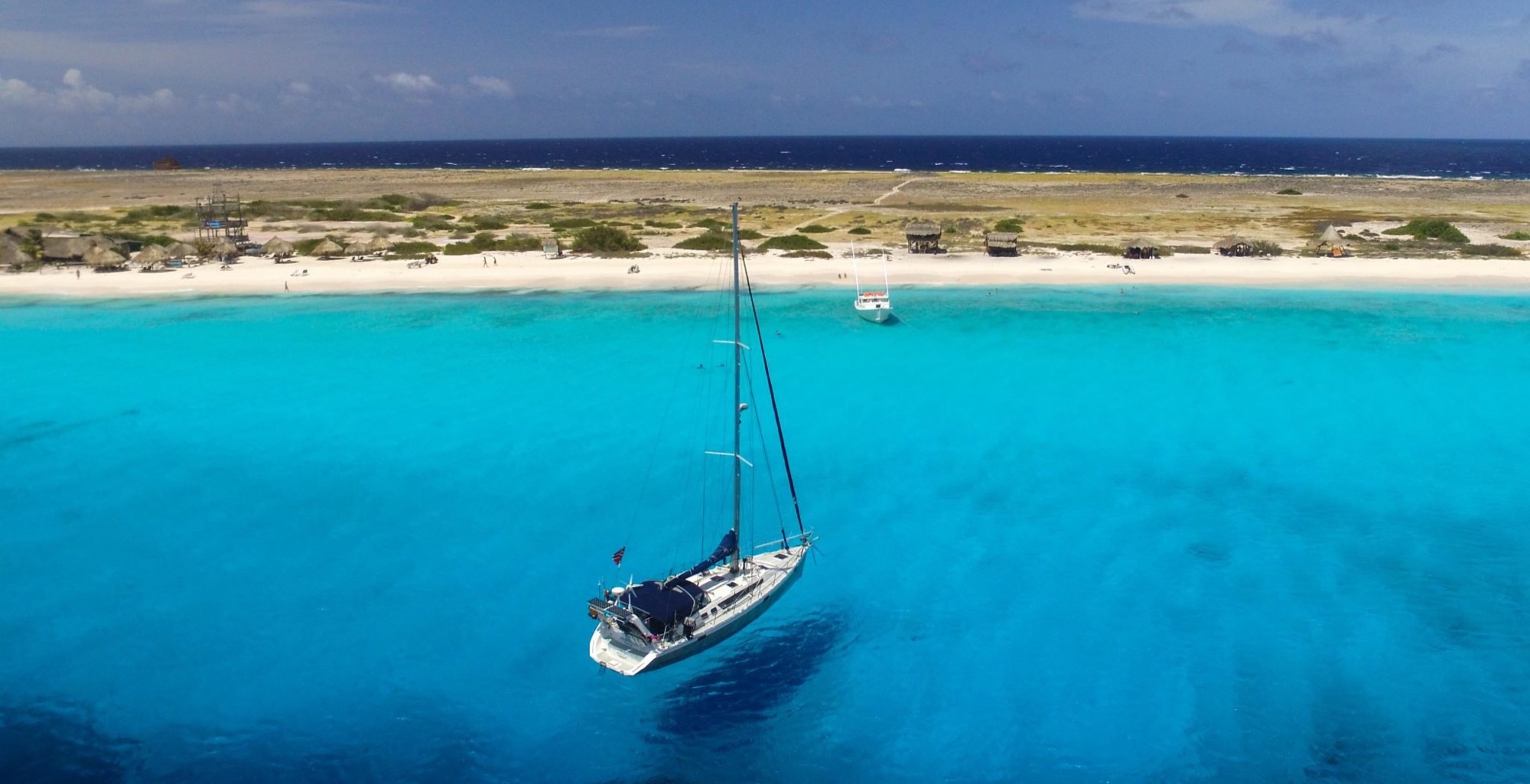
Klein Curaçao
Klein Curaçao’s flat topography and treacherous reefs made it a frequent site of maritime disasters.
Before the
Dutch Arrived
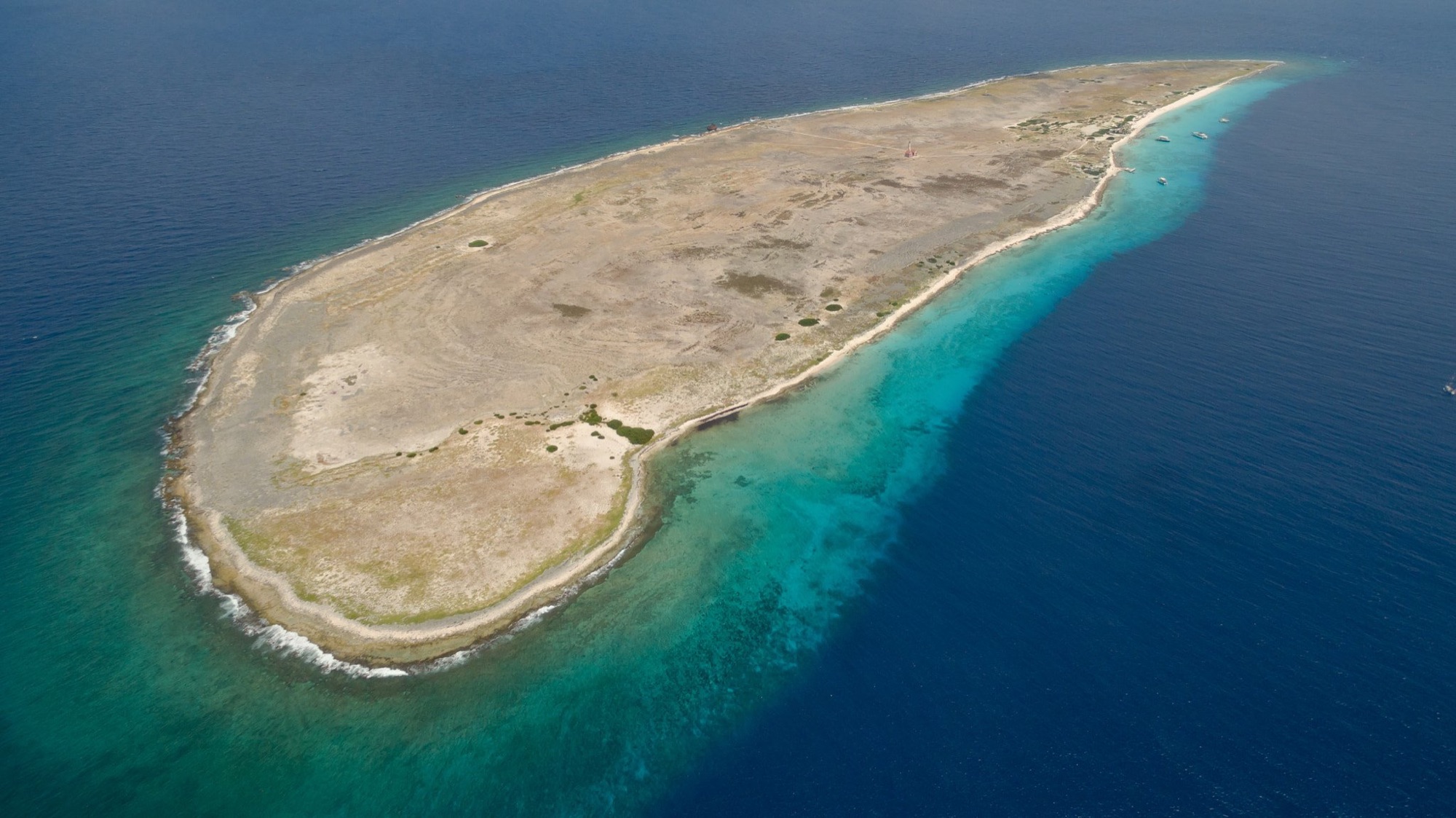
Long before Europeans arrived, the Arawak people from South America likely visited Klein Curaçao for fishing and temporary settlements. Archaeological findings suggest their presence, linking the island’s early days to a broader network of indigenous Caribbean communities.
Exploitation,
and Empire
By the 17th century, Klein Curaçao entered an age of European domination. The Dutch, masters of maritime commerce, recognized the island’s potential as a site for salt production. While seemingly mundane, salt was a strategic commodity, crucial for preserving food in an age before refrigeration. However, this resource came at a grim cost. Enslaved Africans, subjected to punishing labor in the island's salt pans, bore the brunt of this economic endeavour.
Like much of the Caribbean, Klein Curaçao was transformed into an engine of imperial profit. The profits from its salt production were but a speck in the vast ocean of the colonial economy, yet they were emblematic of the wider systems of exploitation underpinning European expansion.
Graveyard
of Ships
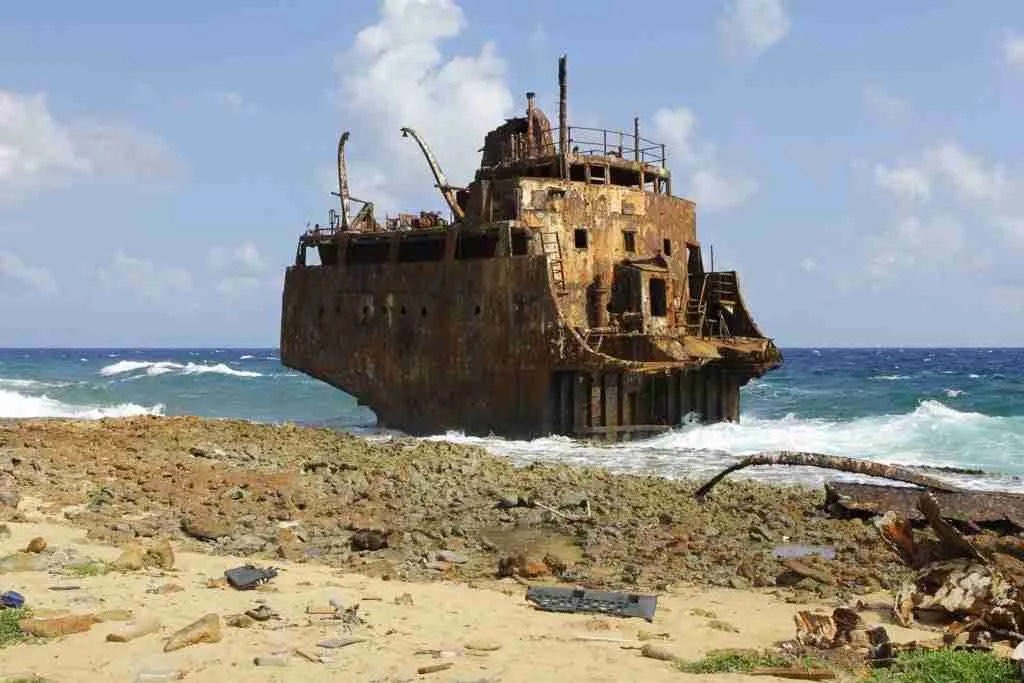
Klein Curaçao’s flat topography and treacherous reefs made it a frequent site of maritime disasters. Its most infamous relic is the wreck of the Maria Bianca Guidesman, a German freighter that ran aground in 1934. The rusting hulk still stands as a cautionary monument to navigational miscalculations and natural hazards. The shipwrecks that littered the area were more than accidents—they underscored the broader dangers of expanding global trade, where the seas could just as easily swallow the ambitions of merchants as deliver their profits.
The
Lighthouse
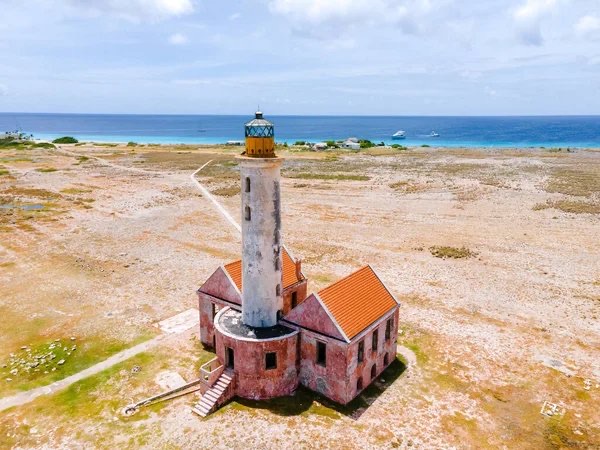
Recognizing the dangers of the island's shores, the Dutch built a lighthouse on Klein Curaçao in 1850. Over time, the structure was rebuilt and repaired, surviving the elements with admirable persistence. Yet, its history is haunted. Local lore whispers of sailors who perished in shipwrecks appearing as spectres around the beacon. Although unverifiable, such tales illustrate the mix of human fascination and trepidation that Klein Curaçao has evoked through the ages.
Three things
to know
Avian Refugees
Though largely barren, Klein Curaçao has played host to flamingos, whose vibrant pink feathers appear striking against the island’s austere backdrop. Their sporadic presence, however, owes more to migratory patterns than any inherent ecological appeal.
Bones of the Deep
Wander its shores, and visitors may encounter the skeletons of whales—mute testaments to the unforgiving interplay between marine life and ocean currents. Preserved by the island’s arid climate, these remains evoke both awe and unease.
Quarantine in Paradise
During the 19th century, Klein Curaçao functioned as a quarantine station for cholera-stricken sailors. While today’s visitors arrive seeking serenity, the island was once a place of isolation and despair, an entry in the long ledger of colonial public health efforts.

Begin Your
Caribbean Story
Six bedrooms · 140ft infinity pool · Watamula Nature Preserve · Curaçao