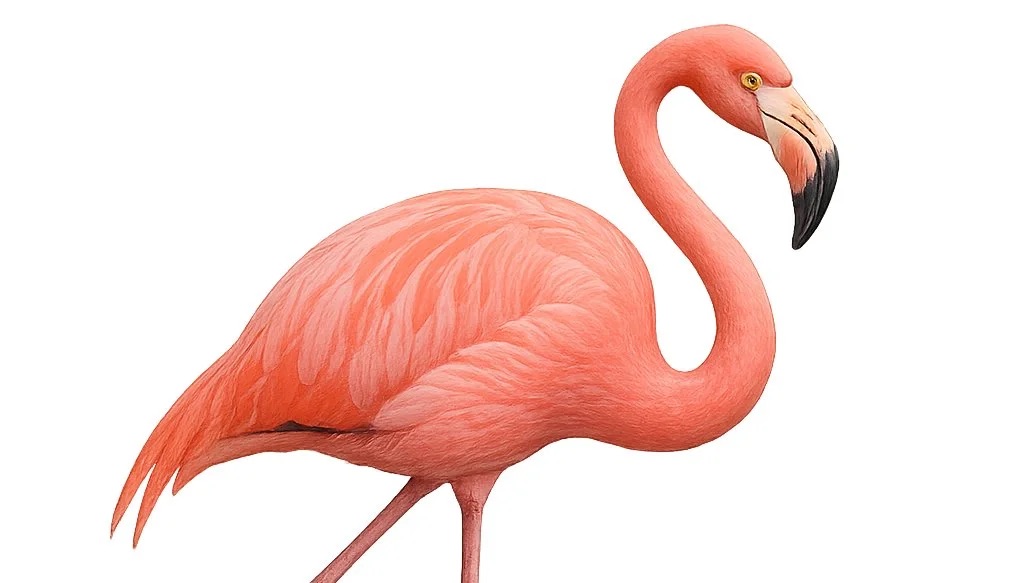
Among its most graceful and beloved natural inhabitants of Curaçao are the pink flamingos, often spotted wading elegantly in shallow salt flats and coastal lagoons. These exotic birds have become a symbol of the island’s wild beauty and ecological richness.
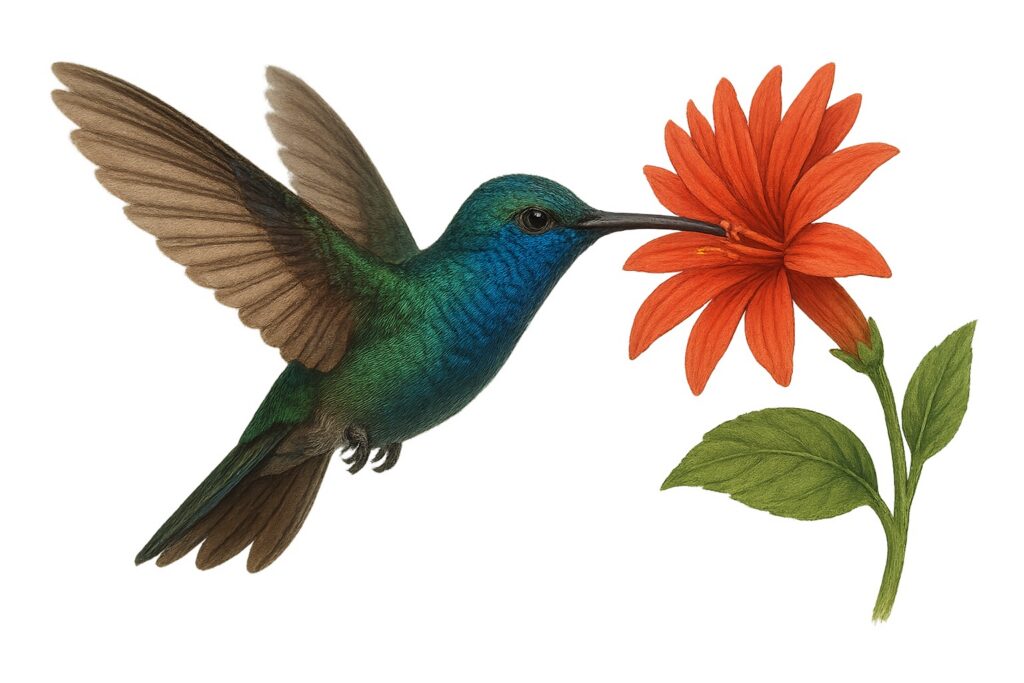
Curaçao, the Dutch Caribbean island famed for its colorful architecture, azure waters, and desert-like terrain, is also home to one of nature’s most remarkable creatures: the hummingbird. Often referred to as “living jewels,” hummingbirds on the island captivate with their iridescent plumage, rapid wingbeats, and fearless demeanor.
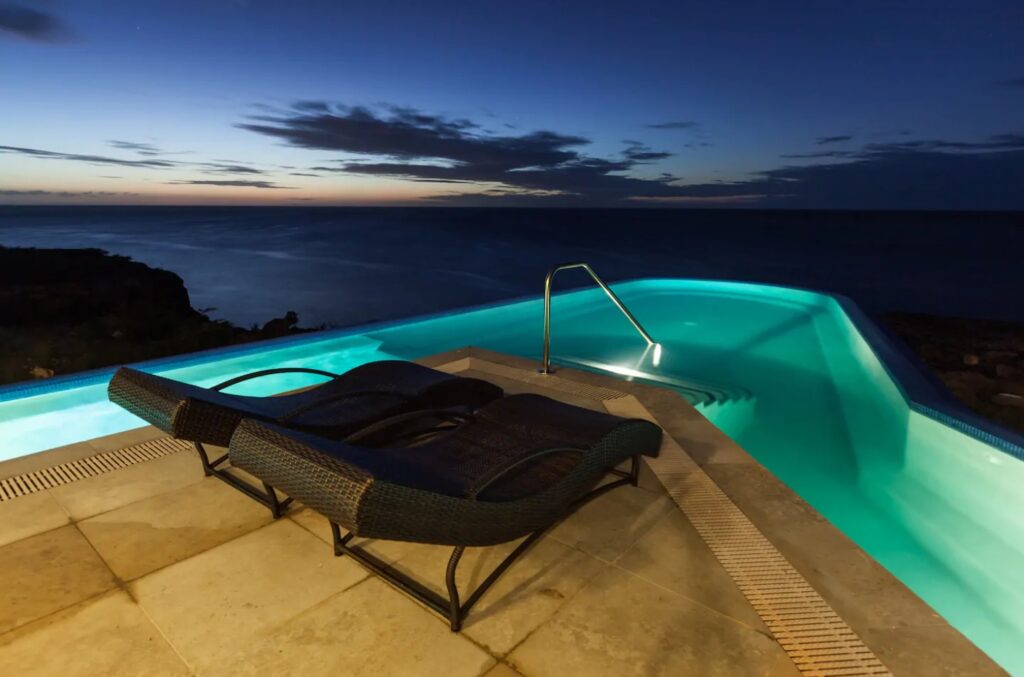
Westpunt, the most northwesterly point on Curaçao, sits just north of the equator—making it one of the island’s finest locations for night-sky viewing.
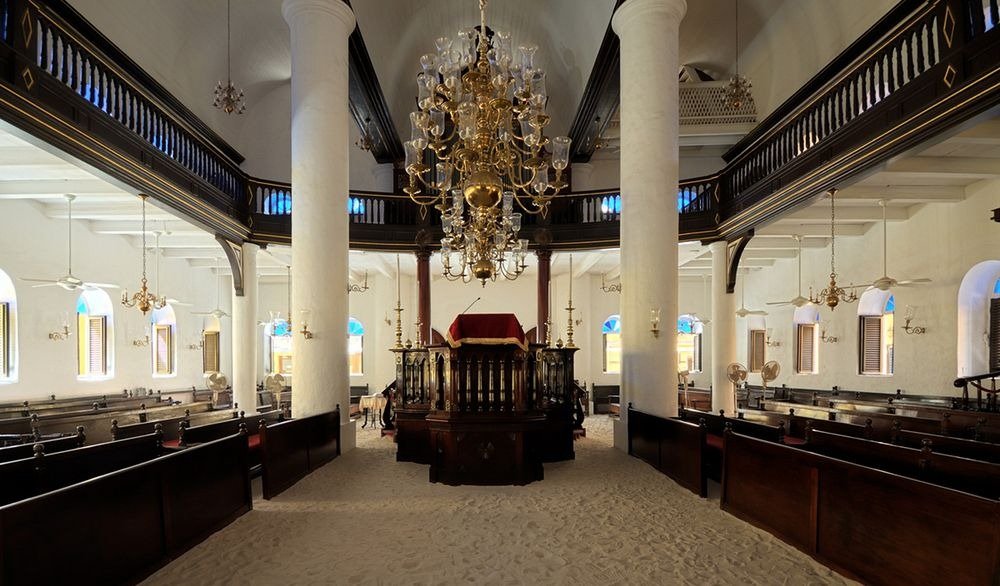
In the heart of Willemstad is a remarkable piece of history: the Mikvé Israel-Emanuel Synagogue, which is renowned not only for its centuries-old architecture and rich Jewish heritage but also for a distinctive feature that sets it apart from most synagogues around the world: a sand floor.
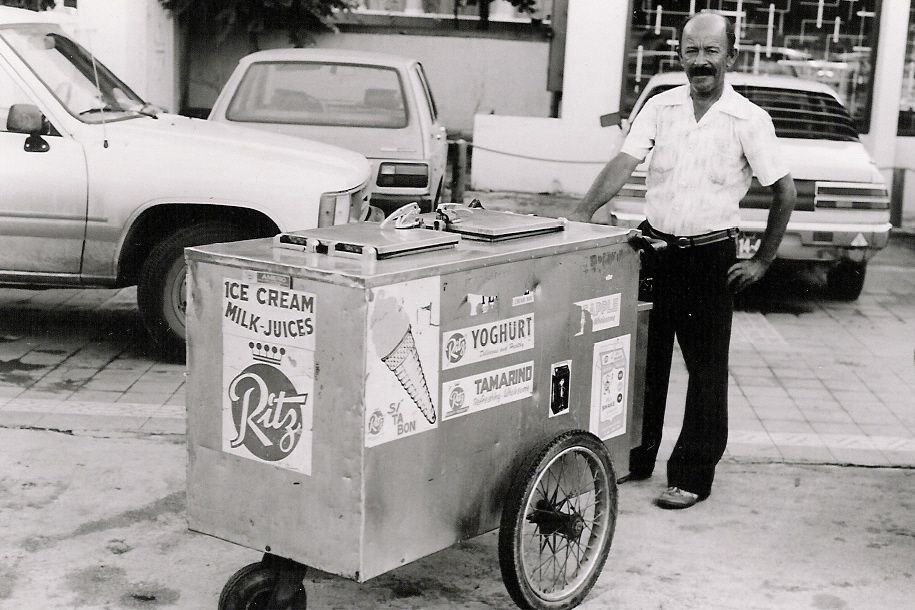
In 1938, Otto Senior and his wife Rosalynde established the Ritz Ice Factory in Willemstad, Curaçao. Initially located on Heerenstraat, the factory was primarily set up to produce milk for U.S. soldiers stationed on the island.
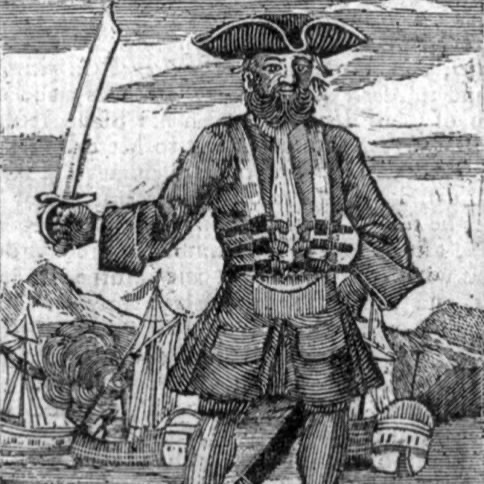
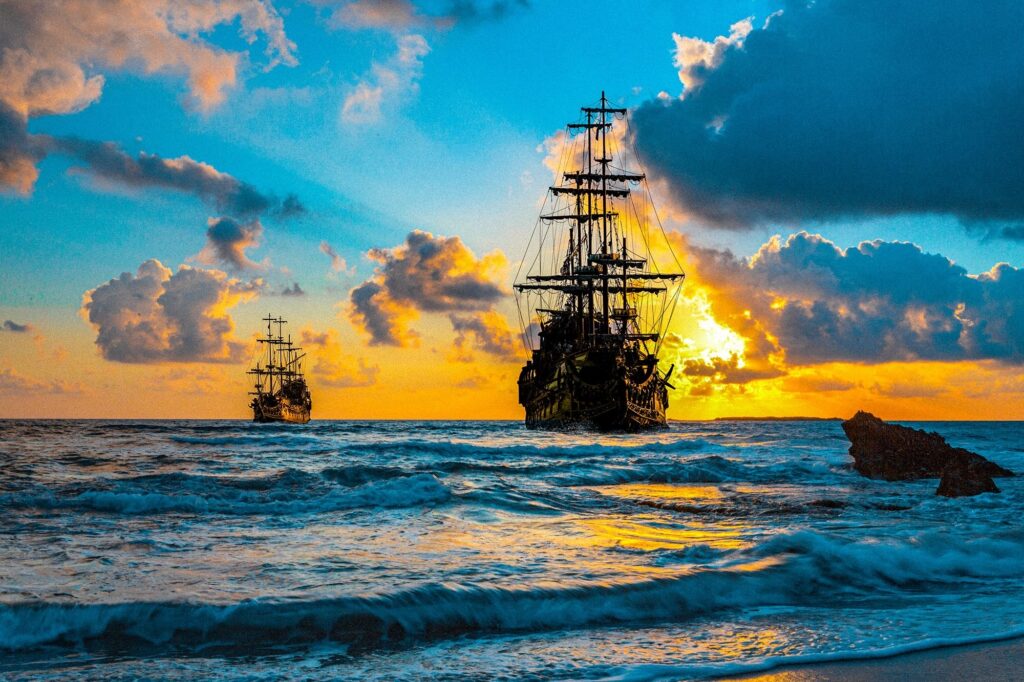
Unlike other pirates of his day, who were European sailors turned to piracy, Black Caesar was said to have been a West African chieftain, he was deceived, captured, and transported across the Atlantic in the hold of a slave ship—until fortune, in the form of a violent storm, intervened.
Curaçao’s history is filled with amazing tales of daring pirates, and covert smuggling operations. Here are some saber-rattling stories. Some fact, some lore, all chilling stories of Curacao’s naval past.